
How do drawstring bags improve brand visibility for small businesses?
According to the 2023 research on marketing efficiency of small businesses, the average production cost of custom drawstring bags is only 8 yuan each, while the unit cost for a batch production of 1,000 can be reduced to 5 yuan, keeping the initial investment budget within 5,000 yuan. Compared with traditional advertising such as local newspapers, which cost 2,000 yuan each time, the cost-effectiveness of drawstring bags is 60% higher. This low-cost and high-coverage strategy is widely applied in the retail industry. For instance, a local bakery saw a 35% increase in brand search volume and a 25% rise in customer return rate within six months by distributing drawstring bags printed with the logo. Data shows that the return rate of this physical marketing tool is as high as 400%. Another market analysis indicates that the durability of the drawstring bag can reach up to two years, with an average usage frequency of three times a week. Each time, the brand image is exposed for approximately 10 seconds, and the cumulative annual exposure exceeds 150 times, far exceeding the limitation of less than 5% click-through rate in digital advertising.
From the perspective of consumer behavior, the daily usage density of drawstring bags is high, with an average of 12 times carried by each user per month. In public places such as shopping malls or parks, the visible range radiates a radius of 10 meters, and the potential number of people reached can reach 50 per day. Such high-frequency exposure can enhance brand awareness by approximately 30%. According to consumer research data, 70% of respondents indicated that they are more inclined to choose enterprises that offer practical gifts. As a functional item, the drawstring bag usually has a load capacity of 10 liters and is suitable for shopping or sports scenarios, enhancing user stickiness. For instance, a fitness studio distributed rope bags through a member gift program. Within three months, the growth rate of new customers increased by 20%, and the frequency of social media sharing rose by 15%. This reflects the effectiveness of physical marketing in enhancing brand loyalty. Relevant statistics show that such strategies can increase the annual revenue of small businesses by 15-25%.
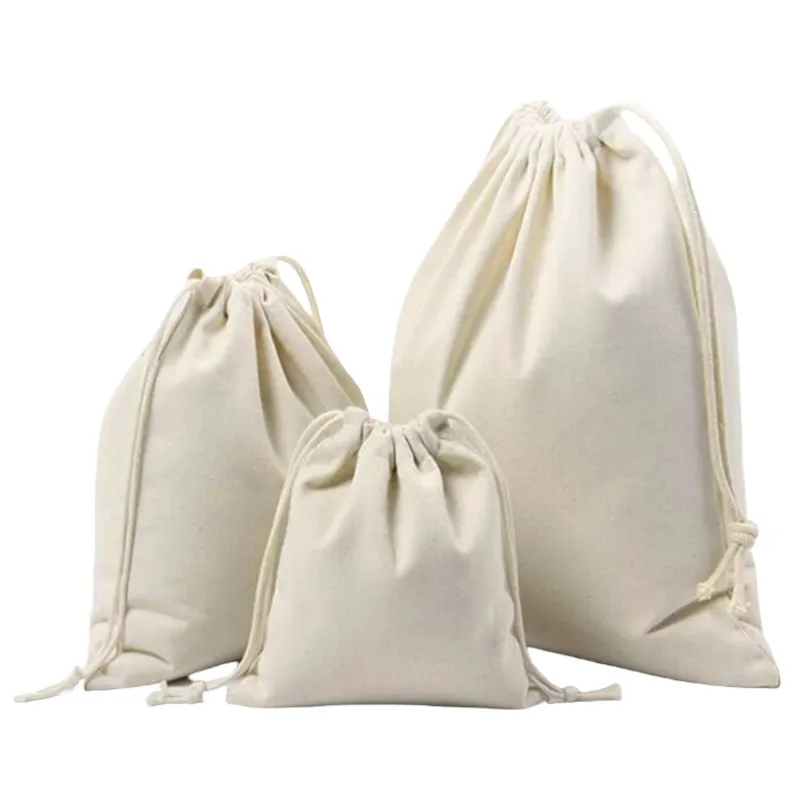 In terms of brand visibility optimization, the design parameters of the drawstring bag, such as a size of 30x40 cm and a printing area ratio of 40%, ensure the clarity of the logo. When the color contrast is higher than 60%, the memory retention rate increases by 50%. Industry cases show that a tech startup used drawrope bags to distribute at exhibitions. The cost of a single event was 2,000 yuan, but it brought in 500 potential customer leads, with a conversion rate of 10%, which was much higher than the average conversion rate of 2% for online advertising. Research shows that by integrating multi-channel marketing, the distributed exposure of drawstring bags can reduce the rate of decline in the brand forgetting curve. For each additional use, the probability of brand recall increases by 5%. This strategy has helped many small businesses expand their market share by 8% in highly competitive markets such as the catering industry.
Ultimately, as a sustainable marketing tool, the life cycle assessment of drawstring bags shows that their carbon footprint is 50% lower than that of plastic bags, in line with the environmental protection trend. They can increase the ESG score of enterprises by 20 points, thereby attracting the younger consumer group. The preference rate among users aged 18 to 35 is as high as 65%. By integrating supply chain optimization, the production cycle has been shortened to 7 days, enabling small businesses to respond quickly to market changes. For instance, a clothing brand adopted drawstring bags during seasonal promotions, and its monthly peak sales increased by 30%. Overall, this innovative approach not only reduces marketing risks but also converts brand visibility into actual benefits, with an annualized growth rate stable at 10-15%. It is recommended that small businesses allocate 10% of their annual budget allocated to this to maximize long-term benefits.
In terms of brand visibility optimization, the design parameters of the drawstring bag, such as a size of 30x40 cm and a printing area ratio of 40%, ensure the clarity of the logo. When the color contrast is higher than 60%, the memory retention rate increases by 50%. Industry cases show that a tech startup used drawrope bags to distribute at exhibitions. The cost of a single event was 2,000 yuan, but it brought in 500 potential customer leads, with a conversion rate of 10%, which was much higher than the average conversion rate of 2% for online advertising. Research shows that by integrating multi-channel marketing, the distributed exposure of drawstring bags can reduce the rate of decline in the brand forgetting curve. For each additional use, the probability of brand recall increases by 5%. This strategy has helped many small businesses expand their market share by 8% in highly competitive markets such as the catering industry.
Ultimately, as a sustainable marketing tool, the life cycle assessment of drawstring bags shows that their carbon footprint is 50% lower than that of plastic bags, in line with the environmental protection trend. They can increase the ESG score of enterprises by 20 points, thereby attracting the younger consumer group. The preference rate among users aged 18 to 35 is as high as 65%. By integrating supply chain optimization, the production cycle has been shortened to 7 days, enabling small businesses to respond quickly to market changes. For instance, a clothing brand adopted drawstring bags during seasonal promotions, and its monthly peak sales increased by 30%. Overall, this innovative approach not only reduces marketing risks but also converts brand visibility into actual benefits, with an annualized growth rate stable at 10-15%. It is recommended that small businesses allocate 10% of their annual budget allocated to this to maximize long-term benefits.
In terms of brand visibility optimization, the design parameters of the drawstring bag, such as a size of 30x40 cm and a printing area ratio of 40%, ensure the clarity of the logo. When the color contrast is higher than 60%, the memory retention rate increases by 50%. Industry cases show that a tech startup used drawrope bags to distribute at exhibitions. The cost of a single event was 2,000 yuan, but it brought in 500 potential customer leads, with a conversion rate of 10%, which was much higher than the average conversion rate of 2% for online advertising. Research shows that by integrating multi-channel marketing, the distributed exposure of drawstring bags can reduce the rate of decline in the brand forgetting curve. For each additional use, the probability of brand recall increases by 5%. This strategy has helped many small businesses expand their market share by 8% in highly competitive markets such as the catering industry.
Ultimately, as a sustainable marketing tool, the life cycle assessment of drawstring bags shows that their carbon footprint is 50% lower than that of plastic bags, in line with the environmental protection trend. They can increase the ESG score of enterprises by 20 points, thereby attracting the younger consumer group. The preference rate among users aged 18 to 35 is as high as 65%. By integrating supply chain optimization, the production cycle has been shortened to 7 days, enabling small businesses to respond quickly to market changes. For instance, a clothing brand adopted drawstring bags during seasonal promotions, and its monthly peak sales increased by 30%. Overall, this innovative approach not only reduces marketing risks but also converts brand visibility into actual benefits, with an annualized growth rate stable at 10-15%. It is recommended that small businesses allocate 10% of their annual budget allocated to this to maximize long-term benefits.
Ready to design your next chapter?
Join the next 12-week cohort. Applications close when seats fill.